
Anxiety Therapy In Midtown, NY

Cognitive Behavioral Therapy (CBT) Led By a Licensed Anxiety Therapist
Approximately 18 percent of New York City residents, including those living and working in Midtown, experience anxiety intensified by the fast paced nature of city life. Managing demanding careers, long work hours, financial responsibilities, and personal obligations can quickly lead to emotional and physical strain. Anxiety often presents as persistent worry, mental fatigue, difficulty concentrating, or irritability, along with physical symptoms such as muscle tightness, headaches, stomach discomfort, or disrupted sleep. When anxiety is left unaddressed, it can interfere with productivity, relationships, and overall health for many Midtown residents.
As a licensed anxiety therapist providing services in Midtown and across New York City, I work with individuals to better understand the underlying causes of their anxiety. My approach focuses on teaching practical coping strategies that align with real world challenges and individual needs. I have experience supporting clients with generalized anxiety disorder, panic disorder, social anxiety, obsessive compulsive disorder, and related anxiety concerns. Continue reading to discover how residents of Midtown and throughout NYC can regain emotional balance, develop long lasting coping skills, and enhance overall wellbeing.
My Background As a Licensed Anxiety Therapist
I am Van, a licensed therapist with more than seven years of experience providing remote and in-person therapy for people dealing with anxiety. Over the last year and a half, I have assisted many clients in managing persistent worry, social anxiety, and other related concerns, delivering care that is research-informed, compassionate, and tailored to each individual’s experiences. My focus is on creating strategies that are practical, actionable, and supportive of long-term growth.
My therapeutic philosophy centers on collaboration and empowerment. I guide clients in recognizing patterns of thought and behavior that contribute to anxiety while equipping them with skills to respond constructively. Sessions are designed to be engaging, individualized, and supportive, ensuring that clients can apply insights directly to their daily lives and challenges.
I believe that meaningful change is achievable for anyone with the right support, guidance, and consistent effort. My aim is to help clients develop confidence, emotional resilience, and the ability to face life’s challenges with greater clarity and stability. Through this approach, I support individuals in cultivating lasting improvements in both their mental health and overall quality of life.

Why Online Anxiety Therapy in Midtown?
As someone familiar with the pace of life in Midtown, I understand that maintaining a regular therapy schedule can be difficult due to work, commuting, and personal obligations. To make therapy more accessible, my cognitive behavioral therapy program is structured with a flexible telehealth approach, enabling you to participate in meaningful sessions without disrupting your daily routine. During our sessions, we will focus on:
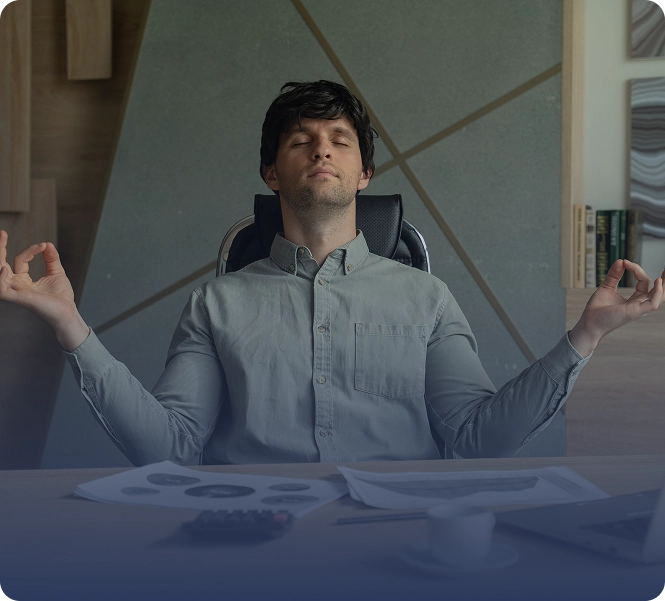
Manage Daily Stressors & Triggers
The pressures of everyday life can create fertile ground for anxiety, making it challenging to navigate personal and professional responsibilities. My approach incorporates mindfulness, reflection, and practical exercises to help identify the precise stressors that contribute to anxious reactions. By understanding these triggers, you gain the insight needed to respond effectively and develop strategies for calmer, more intentional engagement with daily life. Over time, these tools reduce the sense of overwhelm and foster sustained balance and focus.

Build Emotional Resilience
Persistent anxiety can generate repetitive negative thinking patterns that weaken emotional stability and confidence. Through cognitive behavioral therapy, I guide clients in developing resilience by reframing destructive thoughts, regulating emotions, and adjusting to change with improved ease. This ongoing process builds a solid foundation of emotional strength, allowing you to face life’s demands with composure, confidence, and renewed personal efficacy.

Overcome Avoidance Behaviors
Avoidance is a natural coping mechanism for anxiety but often maintains fear and restricts growth. In therapy, we identify the situations, social interactions, and thoughts that are commonly avoided and develop a systematic plan to approach them safely and gradually. Confronting these challenges incrementally empowers you, reduces anxiety’s influence, and encourages fuller participation in life.

Regain a Sense of Control
When anxiety takes the lead, it can feel as though your responses dictate your life instead of your choices. Through structured therapy, we focus on restoring control by applying cognitive strategies, increasing self-awareness, and practicing intentional coping methods. This work helps you navigate daily experiences with clarity, respond deliberately to stressors, and maintain a grounded sense of mastery and emotional stability.
I Have Clinical Experience Treating:

Generalized Anxiety Disorder (GAD)
Generalized anxiety disorder is a common condition marked by chronic, excessive worry that is difficult to control. Individuals may experience physical symptoms such as tension, restlessness, or fatigue, alongside persistent anxiety. The triggers for worry can be unclear or complex, making the condition feel unpredictable. Without intervention, GAD can interfere with decision-making, relationships, and daily functioning, highlighting the need for consistent support and coping strategies.
Panic Disorder
Panic disorder involves recurrent, sudden, and intense episodes of anxiety known as panic attacks. These attacks often include physical sensations such as dizziness, chest pain, rapid heartbeat, or shortness of breath. The repeated nature of panic attacks can increase anticipatory anxiety, disrupt daily life, and sometimes lead to avoidance of situations perceived as potentially triggering future episodes.

Social Anxiety Disorder
Social anxiety disorder is defined by a pronounced fear of social judgment, criticism, or embarrassment. This fear may arise from personal experiences, self-perception, or identity concerns. Individuals with social anxiety often avoid social interactions, which can limit relationships, professional opportunities, and everyday participation in life.

Specific Phobias
Specific phobias involve strong fears of particular objects or situations, such as flying, heights, animals, or germs. These fears can provoke avoidance behaviors that interfere with daily activities, reduce engagement in life experiences, and diminish overall quality of life. Addressing phobias through structured strategies is essential to restore confidence and normal functioning.

Obsessive Compulsive Disorder (OCD)
Obsessive compulsive disorder is marked by persistent obsessions and compulsions, which are intrusive thoughts and repetitive behaviors aimed at reducing distress. OCD can take many forms, including repeated checking, cleaning, or mental rituals, and it often significantly impacts daily routines. Careful, evidence-based intervention is required to manage symptoms, regain control, and improve overall wellbeing.

You Should Consider Anxiety Therapy in Midtown If You Experience:
- Chronic and overwhelming worry that feels out of your control
- Restlessness that comes with unwanted tightness or tension in the body
- Physical sensations like a racing heartbeat, sweating, dizziness, or nausea
- Intrusive thought cycles that make it difficult to focus.
- Sudden panic attacks marked by waves of fear, chest pain, and shortness of breath
- Intense fears or phobias tied to specific situations, places, or objects
- Isolation caused by avoiding people or situations that trigger symptoms
- Sleep problems, including trouble falling or staying asleep, or waking up exhausted
- Heightened irritability, such as feeling easily frustrated or agitated
Take Control of Your Mental Health
For those prepared to take the first step toward managing anxiety, I am a licensed NYC therapist with the experience, knowledge, and therapeutic strategies necessary to design a treatment plan tailored specifically to you. Through my telehealth services, residents of Midtown and across New York City can receive professional support without disrupting their busy lives, while achieving tangible improvements in emotional health. Committing to this process can help individuals attain greater emotional balance, enhanced quality of life, and a lasting sense of overall wellbeing in the city.
Anxiety Therapy in Midtown FAQ
Is therapy confidential?
Yes, all individual telehealth talk therapy sessions are fully confidential. As a licensed therapist providing services to Midtown and across New York City, I am required to follow New York State’s strict professional ethics and confidentiality regulations. This ensures that your personal information and all discussions within sessions remain private and cannot be shared without your consent.
It is important to remember that if urgent safety concerns arise involving you or someone else, I may be legally required to inform the local director of community services, Child Protective Services, or Adult Protective Services. These procedures are designed to safeguard both clients and the community, while upholding the highest standards of confidentiality and professional care.
Can online therapy help with anxiety?
Absolutely! Studies confirm that online cognitive behavioral therapy can achieve results equivalent to those of traditional face-to-face therapy for managing anxiety. Through my telehealth services, residents of Midtown and throughout New York City can access professional support without needing to disrupt their daily lives or responsibilities. This ensures that you can address anxiety effectively while continuing to meet the professional, personal, and social demands of living in the city.
How do I start anxiety therapy?
Starting therapy for anxiety is easy and straightforward. You can reach out by phone or email to schedule your initial session at a time that works best for you. During this first meeting, we will explore your experiences, review your symptoms, and discuss your personal goals for therapy. If a formal diagnosis has not yet been made, we will consider whether one is appropriate. The insights gained during this session allow me to create a comprehensive, individualized treatment plan that provides a clear structure for effectively addressing anxiety and supporting long-term progress.
What kinds of techniques do you use in anxiety therapy?
I specialize in cognitive behavioral therapy (CBT), which provides structured and evidence-based strategies to address anxiety. Techniques may include identifying and challenging unhelpful thoughts, practicing exposure to feared situations, and developing coping behaviors to manage symptoms. Depending on the client’s needs, I may also integrate dialectical behavior therapy, interpersonal therapy, or psychodynamic approaches for long-term benefit. Clients with obsessive-compulsive disorder often find exposure and response prevention (ERP) to be an essential and effective component of treatment.
Can therapy prevent anxiety from coming back?
Anxiety is a natural part of the human experience and cannot be completely eliminated. However, therapy is highly effective in reducing its intensity and frequency. Through structured sessions, clients develop mindfulness, acceptance strategies, and practical coping tools to manage anxiety as it occurs. Therapy focuses on increasing your ability to respond effectively, prevent anxiety from becoming overwhelming, and enhance overall emotional stability and daily functioning.
What if I feel nervous about starting therapy?
Feeling nervous or uncertain before starting therapy is common and completely normal. Anxiety often stems from uncertainty or concern about how one is perceived, making initial apprehension expected. My approach emphasizes a safe, supportive, and comfortable environment where your wellbeing is prioritized. Over time, this structure helps clients become more confident, reducing nervousness and enabling them to engage fully in therapy.
Can lifestyle changes support therapy?
Lifestyle adjustments can complement and reinforce the progress made in therapy. Regular exercise, balanced nutrition, adequate sleep, and stress management all contribute to reducing anxiety symptoms. It is important to approach these changes gradually and without pressure. Therapy provides the skills, strategies, and encouragement to integrate lifestyle changes effectively, enhancing overall mental health and resilience.
What’s the difference between normal stress and an anxiety disorder?
Stress and anxiety disorders differ in intensity, duration, and impact. Normal stress is typically situational, arising from specific challenges, and resolves when the stressor is removed. Anxiety disorders involve persistent, excessive, and sometimes irrational worry that can disrupt daily life even without immediate triggers. Understanding this distinction highlights the importance of therapy in learning skills to manage anxiety and maintain overall wellbeing.
Rationale: “Disorder” is added after anxiety to clarify that while everyone experiences anxiety from time to time, an anxiety disorder refers to a chronic and impairing condition that requires professional attention.
How can I support a loved one going through anxiety therapy?
Supporting a loved one who is facing anxiety can greatly influence their journey toward emotional balance and overall well-being. There are several practical and mindful strategies you can use, including:
- Listen without judgment: Encourage them to express themselves openly without trying to solve or correct every concern.
- Encourage consistency: Remind them to attend therapy consistently and practice the coping strategies they have learned.
- Be patient: Acknowledge that progress is gradual and recognize every small achievement.
- Respect boundaries: Give them personal space when needed and avoid asking for details about therapy sessions.
- Educate yourself: Learn more about anxiety to better understand their experience and provide informed support.
- Offer practical help: Help with daily responsibilities or participate in calming activities to support reduced anxiety levels.
Always remember that you are not a licensed mental health professional, and some circumstances require intervention from trained specialists. If you believe someone may be in immediate danger, it is crucial to seek help right away. You can contact the Suicide & Crisis Lifeline at 988 or reach out to a reliable mental health organization for emergency support and resources.
What happens if therapy doesn’t seem to work?
It is important to understand that the absence of immediate relief from therapy does not indicate personal failure. Severe or long-lasting anxiety may benefit from additional treatment modalities, including medical or psychiatric consultation. I can assist in connecting you with a licensed psychiatrist for medication management, creating a treatment plan that is both comprehensive and individualized. Ensuring that therapy is integrated with additional professional support allows for a well-rounded and effective approach to managing anxiety.
Are results from anxiety therapy permanent?
The effectiveness of therapy over the long term depends on the consistent application of techniques and strategies learned in sessions. Regular practice can lead to lasting improvements and help maintain control over anxiety. However, life stressors, transitions, or unexpected challenges can sometimes temporarily affect progress. In these instances, therapy remains a critical resource for guidance, reinforcement, and continued support to sustain emotional well-being.