
Anxiety Therapy In the
Upper West Side, NY

Cognitive Behavioral Therapy (CBT) Led By a Licensed Anxiety Therapist
Approximately 18 percent of New York City residents, including many living on the Upper West Side, struggle with anxiety brought on by the pressures of modern urban life. Balancing demanding careers, family responsibilities, social expectations, and financial concerns can lead to persistent stress that impacts both emotional and physical wellbeing. Anxiety often shows up as constant worry, difficulty relaxing, racing thoughts, or irritability, along with physical symptoms such as muscle tightness, headaches, digestive discomfort, or fatigue. When left untreated, anxiety can disrupt daily life and affect long term health for Upper West Side residents.
As a licensed anxiety therapist working with individuals on the Upper West Side and throughout New York City, I help clients gain insight into the mental and emotional patterns that contribute to anxiety. Therapy sessions focus on building effective coping strategies that are practical, sustainable, and personalized to each individual. My experience includes supporting people with generalized anxiety disorder, panic disorder, social anxiety, obsessive compulsive disorder, and related anxiety concerns. Read on to learn how residents of the Upper West Side and other NYC neighborhoods can restore emotional balance, develop lasting coping skills, and improve overall wellbeing.
My Background As a Licensed Anxiety Therapist
I am Van, a licensed therapist with more than seven years of experience providing anxiety-focused therapy in both virtual and face-to-face settings. Over the last eighteen months, I have helped many individuals manage ongoing worry, social discomfort, and other anxiety symptoms, offering a combination of research-based strategies and compassionate support tailored to each client’s unique needs. My goal is to help clients develop actionable skills while feeling understood and supported throughout the process.
My philosophy emphasizes collaboration and empowerment. I work with clients to identify thought patterns and emotional habits that contribute to anxiety, while equipping them with tools to respond more effectively. Sessions are designed to be engaging, adaptive, and tailored to each individual’s circumstances, ensuring therapy feels relevant and personally meaningful.
I believe that with consistent practice, insight, and guidance, meaningful transformation is possible for everyone. My work is centered on helping clients cultivate resilience, confidence, and the capacity to navigate life with emotional clarity and stability. Ultimately, I aim to support each person in achieving lasting changes that enhance both their mental health and overall quality of life.
Why Online Anxiety Therapy in the Upper West Side?
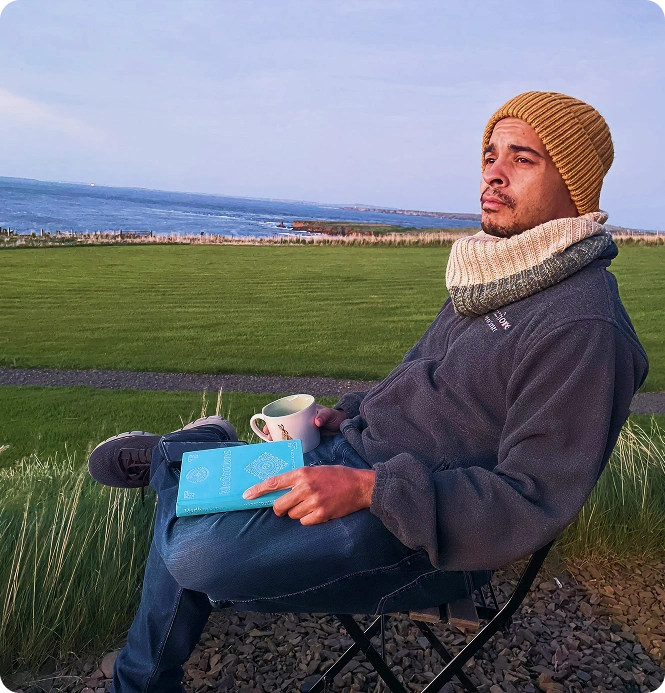
As someone familiar with the rhythm and demands of living on the Upper West Side, I know that it can be difficult to consistently prioritize therapy amidst professional and personal responsibilities. To accommodate this, my cognitive behavioral therapy program utilizes a flexible telehealth model, ensuring that clients can engage in effective therapy without disrupting their busy lives. During our sessions, we will focus on:
Manage Daily Stressors & Triggers
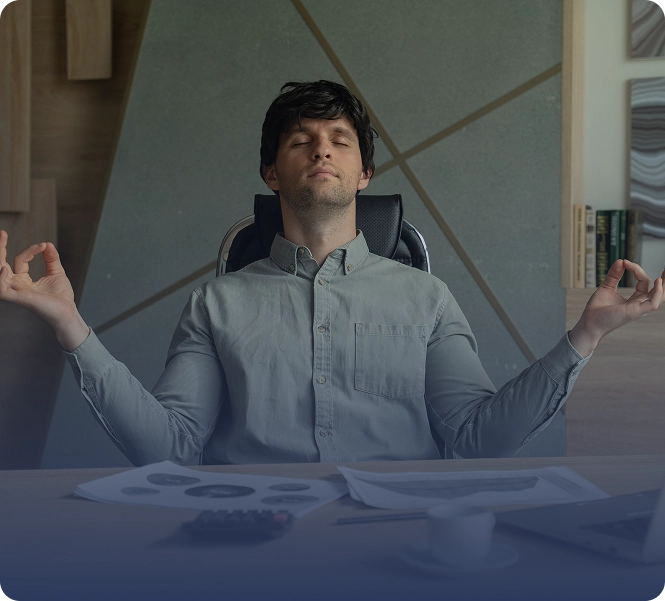
The demands of modern living can create a constant environment of stress, where anxiety flourishes if left unaddressed. I help clients identify the specific triggers that provoke heightened anxiety through reflective exercises and mindfulness-based practices. Understanding these sources of stress allows you to develop strategies to respond effectively and reduce the intensity of anxious reactions. Over time, you gain the ability to manage daily pressures more skillfully, maintaining focus and emotional stability throughout life’s ups and downs.

Build Emotional Resilience
Ongoing patterns of anxious thinking can erode self-confidence and weaken emotional equilibrium. Using cognitive behavioral strategies, I guide clients in strengthening resilience by learning to reframe unhelpful thoughts, regulate emotional responses, and adjust to changing circumstances with ease. This intentional work builds a strong emotional foundation, providing the capacity to face life’s challenges with calmness, self-assurance, and renewed confidence.

Overcome Avoidance Behaviors
Avoidance often emerges as a short-term coping mechanism for anxiety, yet it can inadvertently reinforce fear and limitation. In therapy, we explore the situations and thoughts you tend to avoid, creating a structured plan to approach these experiences gradually and safely. Facing these challenges step by step fosters empowerment, diminishes anxiety’s influence over your choices, and encourages fuller engagement with your life and surroundings.
Regain a Sense of Control
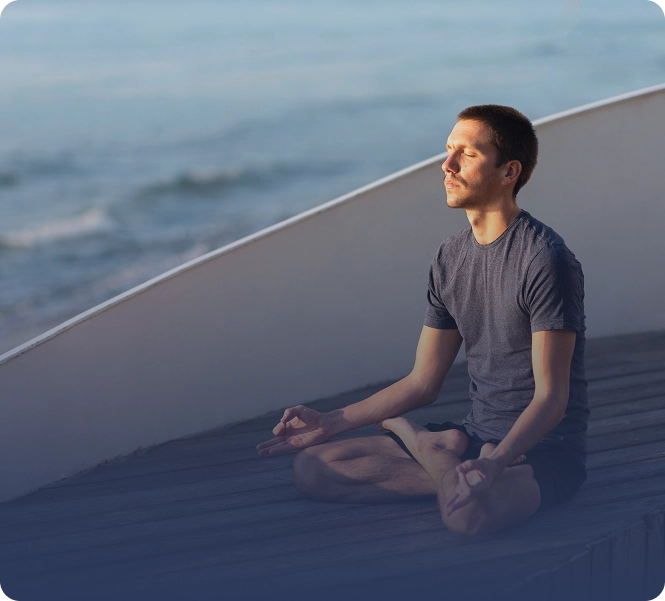
When anxiety is dominant, it can feel as though your impulses and reactions dictate your life. Therapy focuses on restoring control through structured coping approaches, cognitive techniques, and increased self-awareness. This process allows you to navigate daily experiences with intention, respond to stress thoughtfully, and maintain a sense of mastery and confidence regardless of external pressures.
I Have Clinical Experience Treating:

Generalized Anxiety Disorder (GAD)
Generalized anxiety disorder is a common mental health condition characterized by persistent, excessive, and often uncontrollable worry. Individuals may experience physical symptoms such as tension, fatigue, irritability, or difficulty focusing. The sources of worry may not always be clear, making anxiety feel unpredictable and challenging to manage. GAD can interfere with work, relationships, and everyday activities, requiring structured strategies to regain emotional stability.
Panic Disorder
Panic disorder is defined by recurrent panic attacks, which are sudden surges of intense fear that often include physical symptoms like chest pain, dizziness, or shortness of breath. The unpredictability of these attacks can increase anxiety about future episodes and affect daily functioning. Over time, this condition can create anticipatory fear, leading some individuals to avoid situations that they associate with previous panic attacks.

Social Anxiety Disorder
Social anxiety disorder involves extreme fear of being judged, embarrassed, or evaluated negatively in social contexts. This fear may be shaped by personal experiences, self-perception, or identity-related factors. Individuals often respond by avoiding social situations, which can limit opportunities for connection, professional development, and day-to-day participation in meaningful activities.

Specific Phobias
Specific phobias involve intense fears of particular situations or objects, such as flying, heights, or contamination. These fears may lead to avoidance that disrupts daily routines and activities. Left untreated, specific phobias can limit engagement with life experiences and contribute to heightened anxiety or distress over time.

Obsessive Compulsive Disorder (OCD)
Obsessive compulsive disorder is characterized by intrusive thoughts known as obsessions and repetitive behaviors or rituals called compulsions. OCD can manifest in various ways, including checking, cleaning, counting, or mental rituals. Effective management requires structured and evidence-based approaches to reduce distress, regain control, and restore functioning in daily life.

You Should Consider Anxiety Therapy in the Upper West Side If You Experience:
- Chronic and overwhelming worry that feels out of your control
- Restlessness that comes with unwanted tightness or tension in the body
- Physical sensations like a racing heartbeat, sweating, dizziness, or nausea
- Intrusive thought cycles that make it difficult to focus.
- Sudden panic attacks marked by waves of fear, chest pain, and shortness of breath
- Intense fears or phobias tied to specific situations, places, or objects
- Isolation caused by avoiding people or situations that trigger symptoms
- Sleep problems, including trouble falling or staying asleep, or waking up exhausted
- Heightened irritability, such as feeling easily frustrated or agitated
Take Control of Your Mental Health
If you are ready to take meaningful steps toward managing anxiety, I am a licensed NYC therapist with the expertise, insight, and practical strategies to develop a treatment plan customized to your personal situation. My telehealth services allow residents of the Upper West Side and across New York City to receive professional guidance conveniently, without interfering with work or family commitments, while experiencing measurable improvements in their emotional health. Individuals willing to commit to this process can achieve enhanced emotional balance, improved quality of life, and a greater sense of inner stability in the city.
Anxiety Therapy in the Upper West Side FAQ
Is therapy confidential?
Yes, all one-on-one telehealth therapy sessions are entirely private and confidential. As a licensed therapist serving the Upper West Side and the wider New York City area, I am held to the strict confidentiality and professional ethics standards established by New York State. This ensures that your personal information, as well as the content of our sessions, is protected and cannot be disclosed without your explicit consent.
It is essential to note that if urgent concerns arise regarding your safety or the safety of someone else, I may be obligated by law to notify the local director of community services, Child Protective Services, or Adult Protective Services. These procedures are carefully implemented to safeguard both you and the community while maintaining the highest possible level of confidentiality and professional care.
Can online therapy help with anxiety?
Absolutely! Evidence supports that online cognitive behavioral therapy can achieve outcomes equivalent to in-person sessions for managing anxiety. My telehealth services make it easy for residents of the Upper West Side and throughout New York City to access professional mental health care without having to disrupt work, school, or other responsibilities. This approach enables you to receive top-quality support while keeping up with the fast-paced demands of life in the city.
How do I start anxiety therapy?
Initiating anxiety therapy is straightforward. Simply reach out by phone or email to schedule your first session. In this initial meeting, we will discuss the nature of your anxiety, review any symptoms you are experiencing, and clarify your therapy goals. If a formal diagnosis is required, we will assess whether one should be made. The details gathered in this session allow me to craft a structured, personalized treatment plan tailored specifically to your needs, ensuring an organized and effective path toward managing anxiety successfully.
What kinds of techniques do you use in anxiety therapy?
As a therapist specializing in cognitive behavioral therapy, I use a range of structured techniques designed to reduce anxiety and improve daily functioning. This may involve challenging distorted thinking patterns, practicing exposure to anxiety-provoking situations, and learning coping strategies to manage emotional responses. Depending on individual needs, other approaches such as dialectical behavior therapy, interpersonal therapy, or psychodynamic therapy may also be integrated. Clients struggling with obsessive-compulsive disorder often benefit from exposure and response prevention (ERP), which helps them gradually face and reduce compulsive behaviors.
Can therapy prevent anxiety from coming back?
Anxiety is a normal emotional response and cannot be eliminated entirely, but therapy can significantly reduce its disruptive effects. Structured sessions equip you with mindfulness skills, acceptance-based approaches, and practical strategies to respond to anxious feelings in the moment. By focusing on building adaptive coping mechanisms rather than trying to eradicate anxiety, therapy empowers you to prevent it from taking over your daily life while improving overall emotional resilience.
What if I feel nervous about starting therapy?
Experiencing nervousness before beginning therapy is a natural and expected response. Anxiety itself often revolves around uncertainty and self-consciousness, so it is common to feel hesitant initially. I prioritize creating a safe, nonjudgmental, and supportive environment that emphasizes your comfort and wellbeing. Through this approach, clients gradually feel more at ease and able to engage fully in therapy while gaining confidence in the process.
Can lifestyle changes support therapy?
Yes, adopting healthy lifestyle habits can reinforce and enhance the progress made in therapy. Activities such as consistent physical exercise, a balanced diet, sufficient sleep, and structured stress management strategies contribute to overall mental wellness. Importantly, these changes should be incorporated without pressure, as therapy provides the guidance, skills, and support to integrate these adjustments effectively over time.
What’s the difference between normal stress and an anxiety disorder?
Stress and anxiety disorders differ in scope, intensity, and persistence. Normal stress is typically tied to identifiable circumstances and diminishes once the challenge resolves. Anxiety disorders, on the other hand, involve ongoing, excessive worry that can persist even without immediate stressors. This chronic nature can significantly interfere with daily life, relationships, and overall functioning, making professional intervention essential for effective management.
(Adding “disorder” emphasizes that normal anxiety is a typical experience, whereas anxiety disorders involve excessive, prolonged, or impairing worry that goes beyond everyday stress.)
How can I support a loved one going through anxiety therapy?
Supporting someone you care about who experiences anxiety can have a profound impact on their emotional well-being. There are a number of practical and considerate strategies you can try, including:
- Listen without judgment: Let them express their thoughts and feelings openly without trying to correct or solve everything.
- Encourage consistency: Remind them to attend therapy sessions and consistently apply the coping techniques they have learned.
- Be patient: Recognize that progress may be slow and celebrate every incremental improvement.
- Respect boundaries: Offer personal space as needed and avoid asking for specific details about therapy.
- Educate yourself: Gain a better understanding of anxiety to more effectively support them.
- Offer practical help: Assist with daily routines or join in calming exercises that can reduce stress and anxiety.
It is important to remember that you are not a licensed professional, and some circumstances require intervention from trained specialists. If you believe there is a risk to life or safety, seek professional help immediately. In urgent cases, call the Suicide & Crisis Lifeline at 988 or connect with a reputable mental health organization for crisis support and resources.
What happens if therapy doesn’t seem to work?
It is important to acknowledge that therapy not producing immediate relief is not indicative of failure. Certain cases of persistent or severe anxiety may benefit from additional treatment methods, such as medical or psychiatric support. I am able to guide you in connecting with a licensed psychiatrist for potential medication management, creating a coordinated and personalized treatment plan. Integrating therapy with additional interventions ensures a thorough and tailored approach to effectively addressing your anxiety.
Are results from anxiety therapy permanent?
The lasting impact of therapy depends heavily on the consistent use of learned strategies in everyday life. Applied regularly, the techniques and skills developed in therapy can lead to meaningful, long-term improvements in anxiety management. Life events, stress, or transitions may occasionally challenge these gains, but therapy continues to offer guidance, reinforcement, and support whenever needed, helping you maintain emotional stability over time.