
Anxiety Therapy
in New York
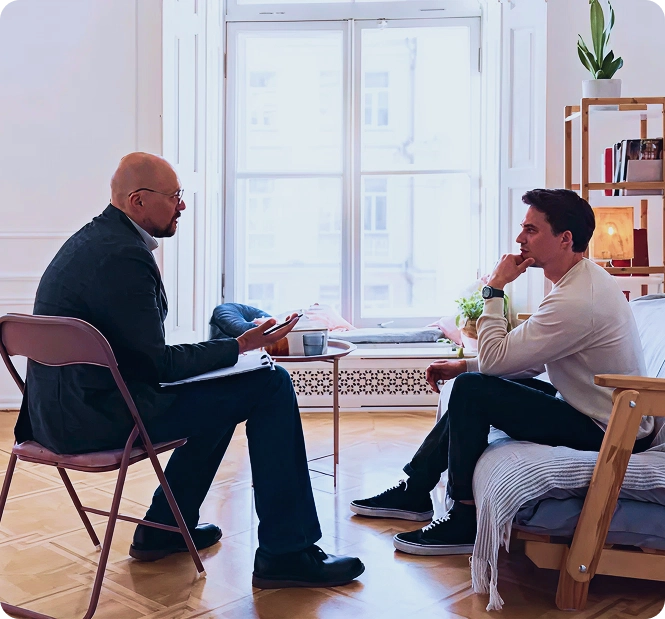
Cognitive Behavioral Therapy (CBT) Led By a Licensed Anxiety Therapist
For an estimated 18% of New York City residents who struggle with anxiety, juggling work, relationships, and the cost of living can lead to a variety of negative symptoms. From constant worry and racing thoughts to physical symptoms like tension or stomach aches, it’s never worth leaving your struggles unaddressed.
As a licensed anxiety expert, I can work with you to identify thought patterns that fuel anxiety and replace them with practical coping strategies. I have experience working with clients who struggle with generalized anxiety disorder (GAD), panic attacks, social anxiety, obsessive-compulsive disorder (OCD), and more. Read on to learn how you can restore mental balance and develop lasting coping skills.
My Background As a Licensed Anxiety Therapist
I’m Van, a licensed therapist with over 7 years of experience providing remote and in-person anxiety therapy in Midtown Manhattan, the Bronx, and other areas of NYC. Since 2024, I’ve worked privately with numerous clients facing chronic worry, social phobias, and more—with an approach rooted in compassion and evidence-based practices.
My philosophy is simple: talk therapy should be a collaborative, supportive process that empowers you with the coping skills you need to manage thoughts, emotions, and behaviors in a more healthy way.
I thoroughly believe that with the right guidance, anyone can start moving forward and create meaningful, lasting changes.

Why Online Anxiety Therapy?
As a New Yorker myself, I know that hectic and busy lifestyles in the city can make it difficult to commit to the therapy sessions you need. That’s why my cognitive behavior therapy (CBT) follows a flexible telehealth format, allowing you to get the treatment you need while navigating the demands of daily life. In therapy, we’ll work to:
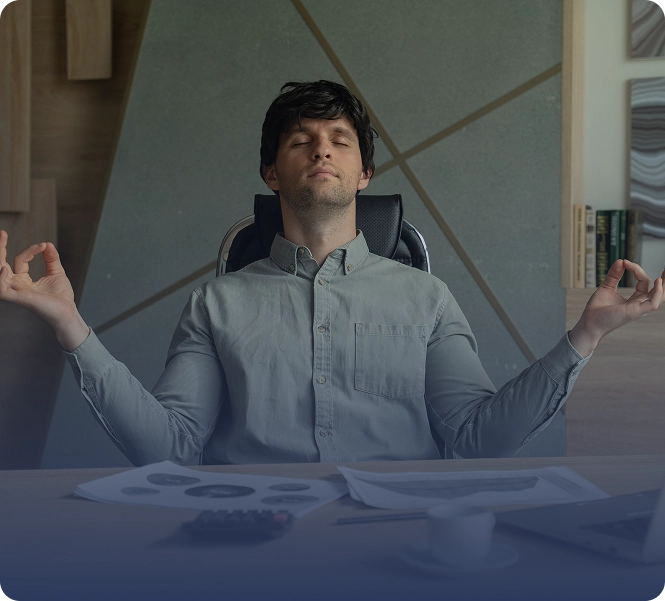
Manage Daily Stressors & Triggers
From long commutes to fast-paced work environments, anxiety often feeds on the constant demands of NYC life. My mindfulness techniques help you identify what exactly is triggering your anxiety, so you can utilize the most effective coping strategies. Over time, you’ll find it easier to manage stressors and stay centered throughout your day.

Build Emotional Resilience
Anxiety often comes with negative thought patterns that tear down your self-esteem and emotional state, which is why my hands-on approach prioritizes building resilience. My cognitive behavioral strategies will help you reframe harmful thoughts, regulate emotions, and adapt to change without distress. Over time, this renewed confidence will allow you to tackle NYC’s challenges without feeling so overwhelmed.

Overcome Avoidance Behaviors
Many with anxiety disorders end up avoiding stressful situations and triggers for temporary relief, but this simply reinforces fear in the long-run. My sessions will help you explore the situations or thoughts you tend to avoid, so we can start developing safe, step-by-step ways to confront them. Approaching these situations with less fear empowers you to move through NYC with greater confidence and independence.
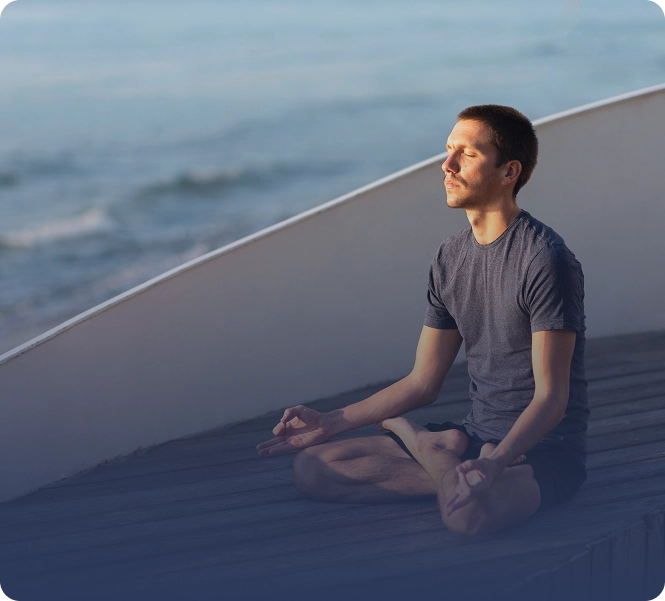
Regain a Sense of Control
If you suffer from anxiety, you might feel as though you have no control over the direction of your life — like all you can do is react to the things happening around you. Luckily, this isn’t actually the case. We’ll work together to restore a sense of agency through structured coping skills, mindful awareness, and cognitive tools that keep you grounded. That way, you can start to feel more in-control of your thoughts, emotions, and day-to-day actions.
I Have Clinical Experience Treating:

Generalized Anxiety Disorder (GAD)
A common diagnosis characterized by chronic, excessive worry and negative physical symptoms. Often, there is no clear trigger or a set of complex triggers.
Panic Disorder
Panic attacks are a sudden and repeated form of anxiety that, when triggered, can cause chest pain, dizziness, shortness of breath, and other physical symptoms.

Social Anxiety Disorder
The intense fear of being judged or embarrassed in social situations, whether due to past trauma, gender identity, or other causes. This can lead to social isolation and avoidance that harms daily life and relationships.

Specific Phobias
The strong fear of specific objects or situations, such as acrophobia (fear of heights), aerophobia (fear of flying), or mysophobia (fear of microorganisms) can all lead to avoidance behaviors that impact your quality of life in NYC.

Obsessive Compulsive Disorder (OCD)
A unique anxiety disorder requiring specialized treatment. OCD can manifest in many forms, but is always marked by distressing intrusive thoughts (obsessions) and repetitive behaviors or mental acts (compulsions).

You Should Consider Anxiety Therapy If You Experience:
- Chronic and overwhelming worry that feels out of your control
- Restlessness that comes with unwanted tightness or tension in the body
- Physical sensations like a racing heartbeat, sweating, dizziness, or nausea
- Intrusive thought cycles that make it difficult to focus.
- Sudden panic attacks marked by waves of fear, chest pain, and shortness of breath
- Intense fears or phobias tied to specific situations, places, or objects
- Isolation caused by avoiding people or situations that trigger symptoms
- Sleep problems, including trouble falling or staying asleep, or waking up exhausted
- Heightened irritability, such as feeling easily frustrated or agitated
Take Control of Your Mental Health
If you’re ready to start addressing anxiety, I’m a licensed NYC therapist with the tools, expertise, and experience needed to develop a personalized treatment plan. Start living your best life in the city today with my telehealth services – designed to work around your busy schedule while achieving results. A better quality of life is possible!
Anxiety Therapy FAQ
Is therapy confidential?
Yes, your one-on-one telehealth talk therapy is always 100% confidential. I’m fully licensed and bound by New York State’s strict professional ethics and confidentiality laws, meaning that your information and our discussions cannot be shared without your consent.
Please note that if there are immediate concerns regarding your safety or the safety of others, I may be required by law to report it to the local director of community services (DCS), Child Protective Services (CPS), or Adult Protective Services (APS).
Can online therapy help with anxiety?
Absolutely! Most studies find that there’s no difference between online and in-person cognitive behavioral therapy for anxiety. On the contrary, my services can help you manage anxiety symptoms without disrupting your busy schedule in NYC.
How do I start anxiety therapy?
To start your dedicated anxiety therapy sessions, simply contact me at (insert number here) to get started. In your intake appointment, we can discuss symptoms, goals, and provide a proper diagnosis if you don’t already have one. Afterwards, I’ll use the information we discuss to develop a detailed treatment plan.
What kinds of techniques do you use in anxiety therapy?
As a licensed CBT therapist, I utilize the latest cognitive behavioral techniques to help you manage anxiety symptoms. Though, depending on your unique needs, I can also incorporate supplementary dialectical behavior therapy (DBT), interpersonal therapy, or long-term psychodynamic therapy if needed. Those struggling with OCD in particular can benefit from exposure response prevention (ERP).
Can therapy prevent anxiety from coming back?
While anxiety is a normal feeling that can never truly be eradicated, therapy plays a huge role in reducing symptoms and preventing them from negatively impacting your life. This is because therapy teaches you the valuable coping strategies—including mindfulness and acceptance techniques—that help you combat anxiety day-to-day. The key is management, not eliminating feelings.
What if I feel nervous about starting therapy?
It’s perfectly normal to feel nervous before starting therapy, especially if you just moved to New York, NY, or are going through stressful life transitions. After all, anxiety is all about fear of the unknown and potential judgments. However, I’m dedicated to providing secure, no-stress services that always put your needs first.
Can lifestyle changes support therapy?
Yes, healthy lifestyle changes like regular exercise, a balanced diet, sufficient sleep, and stress management can all be key components of reducing anxiety symptoms. Though, it’s also not something you should stress over. Over time, talk therapy can provide the coping strategies and confidence you need to holistically address mental health.
What’s the difference between normal stress and an anxiety disorder?
The primary difference between stress and anxiety is that the former often has a specific trigger—stressful situations, relationship issues, etc.—and fades once the issue is resolved. Anxiety Disorders, on the other hand, is a persistent, excessive, and often irrational fear or worry that can interfere with daily life, even without a clear trigger.
How can I support a loved one going through anxiety therapy?
There are several ways you can support your loved one with anxiety, making a huge difference in their healing journey. For example, you can:
- Listen without judgment: Allow them to share thoughts and feelings without trying to “fix” it.
- Encourage consistency: Remind them to attend therapy and practice what they learn.
- Be patient: Progress takes time — celebrate small steps forward.
- Respect boundaries: Provide space when they need it and don’t push for details about sessions.
- Educate yourself: Learn about anxiety to better understand what they’re experiencing.
- Offer practical help: Simply helping with daily tasks or going on relaxing walks can help reduce overwhelming feelings.
However, please remember that you are not a licensed clinical social worker, and if you suspect that you or your loved one is in danger, reach out for professional assistance. Please call 988 for the Suicide & Crisis Lifeline, or reach out to a local NYC organization.
What happens if therapy doesn’t seem to work?
If therapy isn’t enough, it’s okay! Sometimes severe anxiety requires additional treatment, and I can help you connect with a psychiatrist for medication management services.
Are results from anxiety therapy permanent?
Yes and no. If you can incorporate what you learn in therapy in day-to-day life, the results can easily be permanent. However, when stressful situations or life transitions prevent you from practicing what you learn, you can always return to therapy for more support.