Life Transitions Counseling in the Upper West Side, NY

Learn Valuable Coping Skills With a Licensed CBT Therapist Section Image

Learn Valuable Coping Skills With a Licensed CBT Therapist

Life on the Upper West Side is constantly shifting, introducing experiences that range from deliberate transformations to sudden, unforeseen developments. Whether you are experiencing transitions in your professional path or managing the impact of a significant health concern, these personal challenges can bring emotional tension and uncertainty that influence your overall mental health.

I provide life transition therapy designed to support you through these demanding periods. As a licensed cognitive behavioral therapist practicing in NYC, my approach centers on creating practical strategies for coping, strengthening your emotional and social supports, and assisting you in reclaiming control and stability when life feels disrupted. Continue reading to explore how together we can craft a personalized plan that promotes growth and equips you to handle change with assurance and resilience.

My Background as a Licensed Life Transition Therapist

LinkedIn Bio

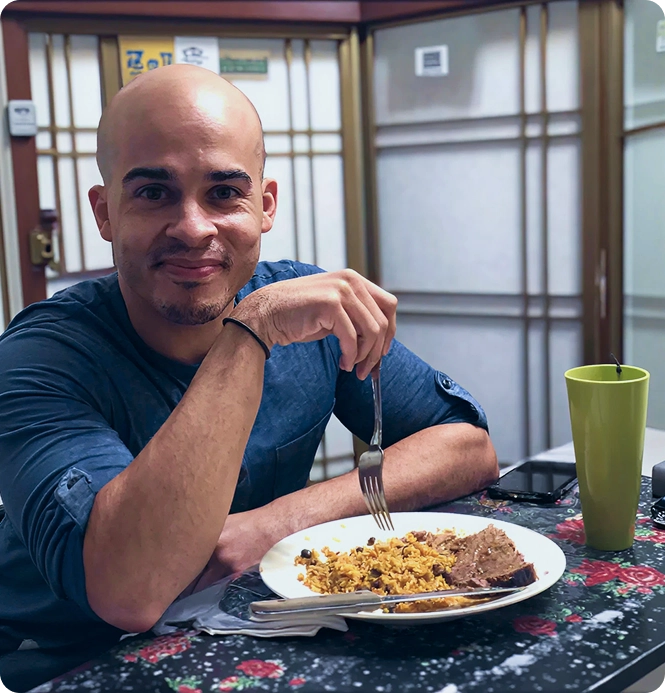
Hello, I am Van, a licensed therapist with more than seven years of experience helping individuals across Midtown Manhattan, the Bronx, and the greater New York City area manage periods of transition and personal growth. Over the last year and a half, I have focused on offering tailored online therapy sessions for people adjusting to life changes such as new careers, relocations, evolving relationships, and other circumstances that require emotional adaptation. My clients value my work because it combines genuine compassion with clinical practices that are grounded in research and real-world effectiveness.

I hold a strong belief that therapy should feel like a partnership rather than a one-sided process. Sessions are designed to be supportive and engaging while equipping you with practical tools to better manage thoughts, emotional responses, and behavioral patterns that may be contributing to stress or imbalance.

I truly believe that change does not have to be overwhelming when the right support system is in place. With thoughtful guidance and consistent care, individuals can move through life transitions with greater emotional strength, clarity, and confidence in their ability to handle what lies ahead.

My Background as a Licensed Life Transition Therapist Section Image
Practical Strategies For Several Common Life Transitions Section Image

Practical Strategies For Several Common Life Transitions in the Upper West Side

With a solution-centered therapeutic approach, I provide support for the variety of life changes that residents of the Upper West Side encounter. Each 45-minute session is designed to focus on your personal experiences, helping you break free from harmful mental habits and improve your coping mechanisms. Some of the ways I can assist include:

  • Job changes, including promotions and job loss
  • Relocating to a new city, whether you’re moving to or from the Upper West Side
  • Marriage, divorce, and other changing family dynamics
  • Breakups and building relationships
  • Adjusting to parenthood or an empty nest
  • Graduating or starting other new chapters in life
  • Life-changing diagnosis or chronic illness
  • Sudden, unexpected changes or loss

Why Life Transition Counseling?

Life changes can unsettle even the most grounded individuals, making it difficult to feel steady when familiar patterns shift. Life transition therapy focuses on providing consistent support, practical solutions, and emotional guidance that help restore a sense of control and direction. By working together, you are given a safe environment to process emotions, manage daily stressors, and slowly adapt to new roles, expectations, and surroundings while honoring your personal pace and unique experience.

Identifying Negative Thinking Patterns Section Background Image

Identifying Negative Thinking Patterns

The early phase of life transition counseling emphasizes becoming aware of thought patterns that contribute to heightened stress and emotional strain. Common reactions such as believing you are not coping well or feeling behind others can take hold during times of uncertainty. These thoughts often operate beneath awareness while influencing mood, behavior, and physical well-being. Through ongoing therapeutic work, I help you recognize these patterns and gradually shift them toward healthier interpretations that support resilience and emotional confidence.
Developing Healthy Coping Skills Section Background Image

Developing Healthy Coping Skills

Significant changes often disrupt routines and make it difficult to maintain consistent self-care. In therapy, we focus on building coping strategies that help regulate emotions and reduce mental overload. This includes mindfulness practices, communication skills, and practical techniques for managing stress more effectively. We also address daily habits related to rest, nutrition, and overall wellness to help you stay steady as you navigate ongoing changes.
Learning to Strengthen Your Support System Section Background Image

Learning to Strengthen Your Support System

Life transitions can alter relationship dynamics and create challenges within support networks. Therapy provides an opportunity to reflect on how you connect with others and identify ways to strengthen those relationships. Together, we work on establishing healthy boundaries, improving communication, and nurturing supportive connections while maintaining a sense of independence and self-reliance.
Building Resilience and Emotional Balance Section Background Image

Building Resilience and Emotional Balance

While transitions may feel disruptive, they often serve as powerful opportunities for emotional growth. With consistent therapeutic guidance, you can build resilience and emotional balance that allow you to face uncertainty with confidence. Over time, challenges become stepping stones toward greater self-awareness, personal strength, and fulfillment.
Should You Consider Life Transition Therapy_ Section Background Image

Should You Consider Life Transition Therapy in the Upper West Side?

Some transitions can be navigated without help, yet you may still benefit from counseling if you are:

  • Struggling to manage the responsibilities and expectations that accompany life changes or new roles
  • Observing symptoms of anxiety, persistent stress, or depressive feelings that affect your functioning
  • Experiencing difficulty staying motivated or engaged in your routines, activities, or personal passions
  • Feeling uncertain, indecisive, or hesitant about important life decisions or long-term ambitions
  • Experiencing a disconnect between your current life situation and your deeper sense of identity or values

Life transition therapy provides guidance and structure to help you understand these feelings, manage stress more effectively, and develop strategies for approaching upcoming changes with clarity, emotional resilience, and confidence in your ability to adapt.

Build Resilience and Confidence For Your Next Chapter

Living in a fast-paced city like New York means that change is often unavoidable, and for residents of the Upper West Side, even subtle disruptions can feel difficult to manage without proper emotional support. As a licensed therapist, I offer professional guidance designed to help you approach life’s challenges with intention, clarity, and structure. I work closely with each client to build a comprehensive and individualized treatment plan that addresses their unique experiences, providing tools to manage stress, process emotional responses, and adjust to shifting responsibilities or life circumstances. Through telehealth sessions available throughout the Upper West Side, you can access consistent, high-quality care without interrupting your schedule, giving you the space to grow, regain balance, and move forward with greater confidence and resilience.

Life Transitions Counseling in the Upper West Side FAQ

What happens during a life transition therapy session?
Life transition therapy sessions are designed to reflect your individual experiences and personal goals. We begin by discussing the specific transition you are experiencing and how it has affected your emotional state, routines, and overall functioning. Therapy then focuses on identifying patterns that contribute to stress and introducing strategies that promote adaptability and emotional balance. Over time, many clients gain a stronger sense of confidence in navigating change and develop coping skills that continue to support emotional stability beyond therapy.
How long are life transitions therapy sessions?
Sessions are approximately 45 minutes in length, allowing enough time for thoughtful discussion and therapeutic exploration. This timeframe supports in-depth reflection while also allowing space to monitor progress and adjust treatment strategies as needed. Sessions are structured to remain focused, supportive, and responsive to your changing needs.
Is therapy confidential?
Confidentiality is a core component of the therapeutic relationship. As a licensed therapist in New York State, I follow strict legal and ethical guidelines to protect client privacy. Information shared during sessions remains confidential unless there is a serious concern related to immediate safety, in which case appropriate authorities must be notified according to legal requirements.
What kinds of life transitions can your counseling help with?
Life transition counseling can address a wide range of changes, including employment shifts, relationship changes, family adjustments, relocation, chronic illness management, and emotional challenges related to life stage changes. Therapy is tailored to your specific circumstances, and sessions are personalized to ensure your unique needs are fully addressed.
Can life transitions therapy help with grief or loss?
Yes, life transition therapy can be integrated with grief counseling to address both emotional processing and practical adjustment. Grief therapy focuses on working through loss, while life transition counseling helps clients adapt to new roles and responsibilities. This combined approach ensures therapy supports healing while also addressing day-to-day adjustment.
Can I combine life transition counseling with other types of therapy?
Life transition counseling can incorporate techniques from other therapeutic approaches such as anxiety treatment, depression therapy, and stress management. This allows therapy to address multiple concerns in a comprehensive and cohesive manner. Treatment plans are individualized and adjusted based on your evolving needs.
How can therapy help me manage fear of the unknown?
Uncertainty can create anxiety and emotional distress during times of change. Therapy provides a structured and supportive environment where these fears can be explored and understood. Using approaches like Cognitive Behavioral Therapy, sessions focus on building confidence, reframing uncertainty, and developing coping strategies that reduce stress and promote emotional resilience.
How long does life transition therapy take?
The duration of therapy depends on your goals, the nature of the transition, and how you respond to treatment. Some individuals benefit from short-term support, while others prefer ongoing therapy for continued guidance. Treatment plans are flexible and designed to reflect your progress over time.
Can online therapy help with life transitions?
Online therapy is an effective option for addressing life transitions and offers increased flexibility and accessibility. Telehealth sessions provide the same level of professional care and therapeutic support as in-person sessions, while allowing you to engage in therapy from a comfortable and convenient setting.
What’s the difference between life transition counseling and general therapy?
While general therapy focuses on overall mental health, life transition counseling specifically targets periods of change. These sessions emphasize developing coping skills, managing stress related to adjustment, and building resilience. The focus is on helping you adapt to new circumstances with confidence and emotional stability.